.png)
.png)

- Jul 21
- 9 min read
The first thing you notice is how quiet people become under the cherry trees. Even in the middle of Tokyo, where trains glide in every few minutes and crosswalks fill like clockwork, a branch of pale pink blossoms can slow everyone down.
A cherry blossom trip to Japan is not just a pretty spring vacation. It is a lesson in timing, patience, and paying attention. The flowers arrive softly, stay briefly, and fall before you feel ready. That shortness is part of the magic.
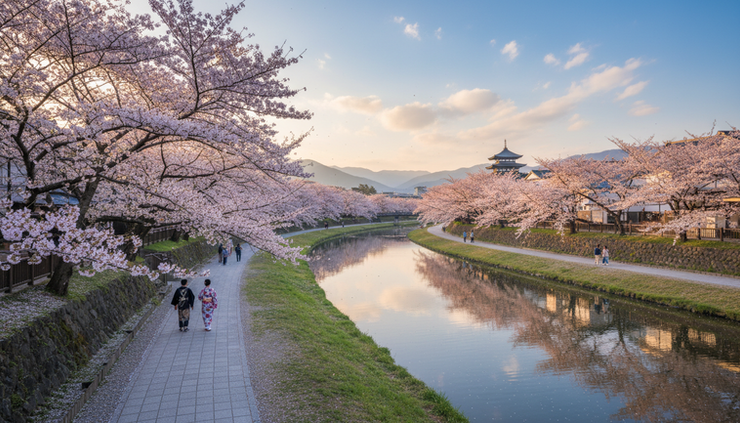
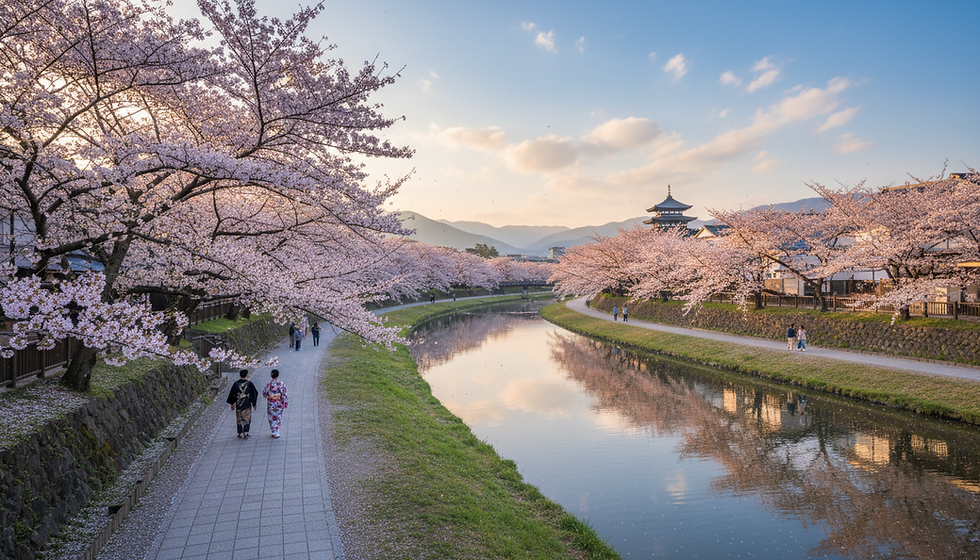
One morning you might be standing beside a river in Kyoto, watching petals float past old wooden houses. By night, you might be eating convenience store snacks beneath lantern-lit trees in a city park. The trip can be elegant, simple, crowded, peaceful, and deeply personal, sometimes all in the same day.
Why cherry blossom season feels different in Japan
Cherry blossoms, or sakura, have been admired in Japan for centuries. Their beauty is tied to how briefly they bloom. One rainstorm or windy afternoon can change a perfect canopy into a carpet of petals.
That is why the season has such emotional weight. The blossoms are not treated like decorations. They are a reminder that beautiful things are temporary, which makes people stop and look a little longer.
This tradition of flower viewing is called hanami. It can be as simple as pausing under a single tree or as festive as a picnic with friends. Parks fill with blue picnic sheets, paper cups of tea, bento boxes, and laughter. Office workers, families, students, retirees, and tourists all gather under the same branches.
The atmosphere is warm, but not always quiet. Some parks feel like a spring fair, especially at night. Food stalls sell grilled snacks. Lanterns glow. People take photos from every angle. Then, a few streets away, you may find a small temple garden where the only sound is a broom moving over gravel.
That contrast is what makes a cherry blossom trip so memorable. Japan gives you the grand scenes, but also the small ones, the single branch over a stone wall, the petal caught on a train platform, the old couple sharing tea under a tree.
When to plan your trip without chasing perfection
Cherry blossom timing changes every year. Weather decides everything. In many popular areas, including Tokyo and Kyoto, full bloom often falls around late March or early April, but it can shift earlier or later.
The best mindset is to plan for a window, not a single perfect day. If possible, give yourself at least a week in Japan during spring. That gives you a better chance of catching blossoms somewhere along your route.
The bloom also moves by region. Southern areas tend to bloom earlier, while northern places bloom later. Higher elevations can bloom after cities at lower elevations. This means you do not need to panic if one city is past peak. Another place may still be opening.
A practical spring route might look like this:
Region | Why it works in spring |
Tokyo | Easy arrival, major parks, riverside walks, many food options |
Kyoto | Temples, old streets, scenic canals, classic spring atmosphere |
Nara | Deer parks, spacious gardens, calmer day trip energy |
Osaka | Great food, easy transport, lively nights after daytime flower viewing |
Northern Japan | Later blooms in some areas, useful if traveling after early April |
Try not to build the whole trip around one famous spot. Popular places are popular for a reason, but the most moving blossom moment may happen on a side street with no crowd at all.
The goal is not to see every famous tree. The goal is to leave space for surprise.

Tokyo gives cherry blossoms a city heartbeat
Tokyo may seem too large and fast for a soft spring trip, but cherry blossom season changes the city’s rhythm. The trees soften the edges of train tracks, rivers, parks, schoolyards, and busy shopping streets.
Ueno Park is one of the best-known hanami spots. It can be crowded, especially during full bloom, yet the energy is part of the experience. People arrive early, settle under the branches, and spend hours eating, talking, and taking photos. It feels like the whole city has agreed to enjoy the same week.
For a slower walk, the Meguro River is a favorite. Cherry trees lean over the water, and petals collect along the surface when the breeze picks up. During peak bloom, the paths can get packed, so early morning is often the best time to go. The light is softer, the air is cooler, and the city has not fully woken up.
Chidorigafuchi, near the Imperial Palace, offers another classic view. Boats move beneath the blossoms, and the moat reflects the trees. At night, some areas may be lit, turning the petals almost white against the dark water.
Tokyo also rewards wandering. A neighborhood playground, a small shrine, or the walkway beside a local station might give you a quieter scene than the famous parks. Carry a light jacket, comfortable shoes, and a small snack. Spring days can be warm in the sun and cool by evening.
A good Tokyo cherry blossom day does not need to be packed. Pick one major viewing spot in the morning, eat lunch nearby, then leave the afternoon open. The city will give you more blossoms than any map can list.
Kyoto turns spring into a memory you can walk through
Kyoto in cherry blossom season can feel almost unreal. The old streets, temple roofs, narrow lanes, and garden paths seem made for spring. It is also one of Japan’s most visited cities, so the key is to choose your times carefully.
Start early. This advice sounds basic, but it changes the whole trip. At sunrise, even famous spots can feel calm. By midmorning, the crowds arrive, tour groups gather, and narrow paths become slow.
The Philosopher’s Path is one of Kyoto’s most loved spring walks. Cherry trees line a canal, and small shops and cafes sit along the route. It is beautiful at peak bloom, but also lovely when petals begin to fall. That stage, when blossoms drift down and collect in the canal, has its own quiet charm.
Maruyama Park is another classic stop, known for its large weeping cherry tree. In the evening, the mood shifts as lanterns and food stalls bring people together. It is a place to enjoy, not rush through.
For a more reflective experience, visit temple gardens early in the day. Many temples have cherry trees mixed with moss, stone paths, ponds, and wooden halls. Some famous temples are busy, but smaller ones can feel deeply peaceful.
Kyoto also invites slow meals. After flower viewing, sit down for soba, seasonal sweets, or matcha in a quiet cafe. The trip becomes richer when you stop treating the blossoms as a checklist and let the day have a natural pace.

The best moments often happen between the famous stops
A cherry blossom trip can become exhausting if every day is built around peak bloom photos. Japan is full of famous views, but the feeling of spring often appears in ordinary places.
It might be a school entrance lined with blossoms. It might be a grandmother sweeping petals outside her shop. It might be a train window view that lasts only three seconds. These moments do not need a name.
Leave room for them.
One of the most human parts of spring travel in Japan is watching how locals fold the season into daily life. People pause on bridges to take one photo before work. Parents stand under trees with children in neat school uniforms. Couples buy seasonal sweets shaped like blossoms. Friends meet after dark with hot drinks and snacks.
The blossoms become part of breakfast, commuting, errands, and evening walks. For visitors, that can be more moving than any famous viewpoint.
If you enjoy photography, resist the urge to shoot only wide scenes. Look for details:
Petals resting on a stone lantern
A pink reflection in a shop window
Blossoms above a quiet bicycle lane
A single branch near a temple bell
Fallen petals gathered at the edge of a pond
These small frames often carry the feeling of the trip better than the big scenes.
What to pack for a spring trip to Japan
Spring in Japan can be unpredictable. Some days feel mild and bright. Others bring cold wind or rain. Packing well makes cherry blossom viewing much easier.
Bring layers rather than heavy clothing. A light jacket, sweater, and comfortable walking shoes will do more for you than dressy outfits. You will likely walk more than expected, especially in cities like Tokyo and Kyoto, where the best way to enjoy the season is on foot.
Useful items include:
A compact umbrella
A small day bag
Comfortable shoes with good support
A portable phone charger
A light scarf or sweater
A foldable picnic mat
Cash for small food stalls and local shops
Japan’s public transportation is efficient, but spring crowds can be heavy near famous bloom spots. Travel outside peak commute times when possible. If you plan to use long-distance trains, check seat options ahead of time and avoid leaving every decision until the last minute.
Respect also matters. Do not shake branches for photos. Do not step into protected gardens. Take trash with you when bins are not nearby. If a park is crowded, keep your picnic space modest.
These small choices help keep the season pleasant for everyone.
Food makes the season even better
Cherry blossom season is not only about flowers. It is also about eating well while moving through spring.
Convenience stores, bakeries, cafes, and department store food halls often carry seasonal treats. You might find sakura-flavored sweets, pink mochi, blossom-themed pastries, or limited spring drinks. Some flavors are subtle, with a lightly floral or salty note, while others are more about the look than the taste.
A simple meal under the trees can become one of the best parts of the trip. Pick up an ekiben, a train station bento, before a day trip. Buy onigiri, tea, fruit, and a sweet. Sit in a park where picnics are allowed, and take your time.
In Kyoto, try seasonal wagashi with matcha after a temple visit. In Osaka, follow a blossom walk with takoyaki or okonomiyaki. In Tokyo, eat near the park instead of trying to cross the city for a famous restaurant.
The best spring meals are often easy, local, and unplanned. A warm bowl of noodles after a cold evening walk can feel as memorable as a formal dinner.

A gentle route for a first cherry blossom trip
For a first visit, a Tokyo, Kyoto, Nara, and Osaka route works well. It balances big city energy, historic sites, quiet parks, and excellent food.
Spend the first few days in Tokyo. Use the city as your spring introduction. Visit one popular blossom spot, then explore neighborhoods at a slower pace. This helps with jet lag and gives you time to adjust.
Next, travel to Kyoto for temples, garden walks, and classic spring scenes. Stay several nights if you can, because Kyoto rewards early mornings and relaxed evenings.
Take a day trip to Nara. The park is spacious, and the deer add a playful element to the day. Blossoms around old temples and open lawns give Nara a softer pace than the larger cities.
End in Osaka if you want great food and easy travel connections. Osaka is lively, friendly, and perfect for casual evenings after several days of early starts.
If your trip falls later in spring, consider adding a northern stop instead of forcing a route where blossoms have already passed. The season is not the same everywhere, and that flexibility can save the trip.
The memory you bring home
A cherry blossom journey asks you to travel differently. You can plan the route, book the train, and study the bloom forecasts, but you cannot control the flowers. That is the point.
Some days will be cloudy. Some trees will be past peak. Some famous places will be too crowded to enjoy for long. Then, without warning, you will turn a corner and find one perfect branch glowing in the afternoon light.
That is what stays with you.
Japan in bloom is not perfect because everything happens as planned. It is unforgettable because the beauty feels alive, brief, and shared. You stand under the petals with strangers, locals, families, and travelers from around the world, all looking up for the same reason.
Go with a plan, but keep your days loose. Wake early. Walk often. Eat under the trees at least once. Let the petals fall into your schedule.
Long after the trip ends, you may not remember every temple name or train transfer. You will remember the sound of the breeze in the branches, the pink glow over a river, and the feeling that, for a few days, the whole country was looking up.




.png)